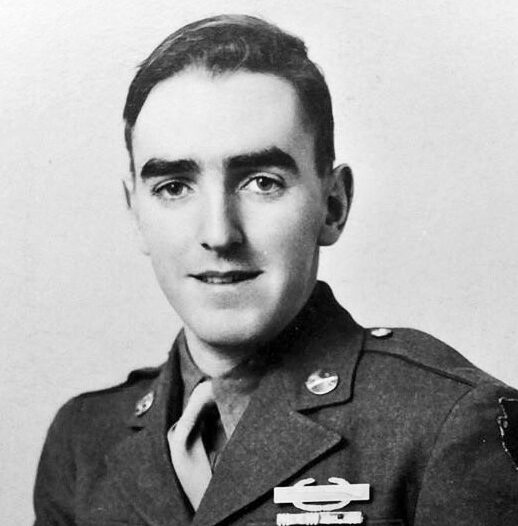
World War II
High School Graduation

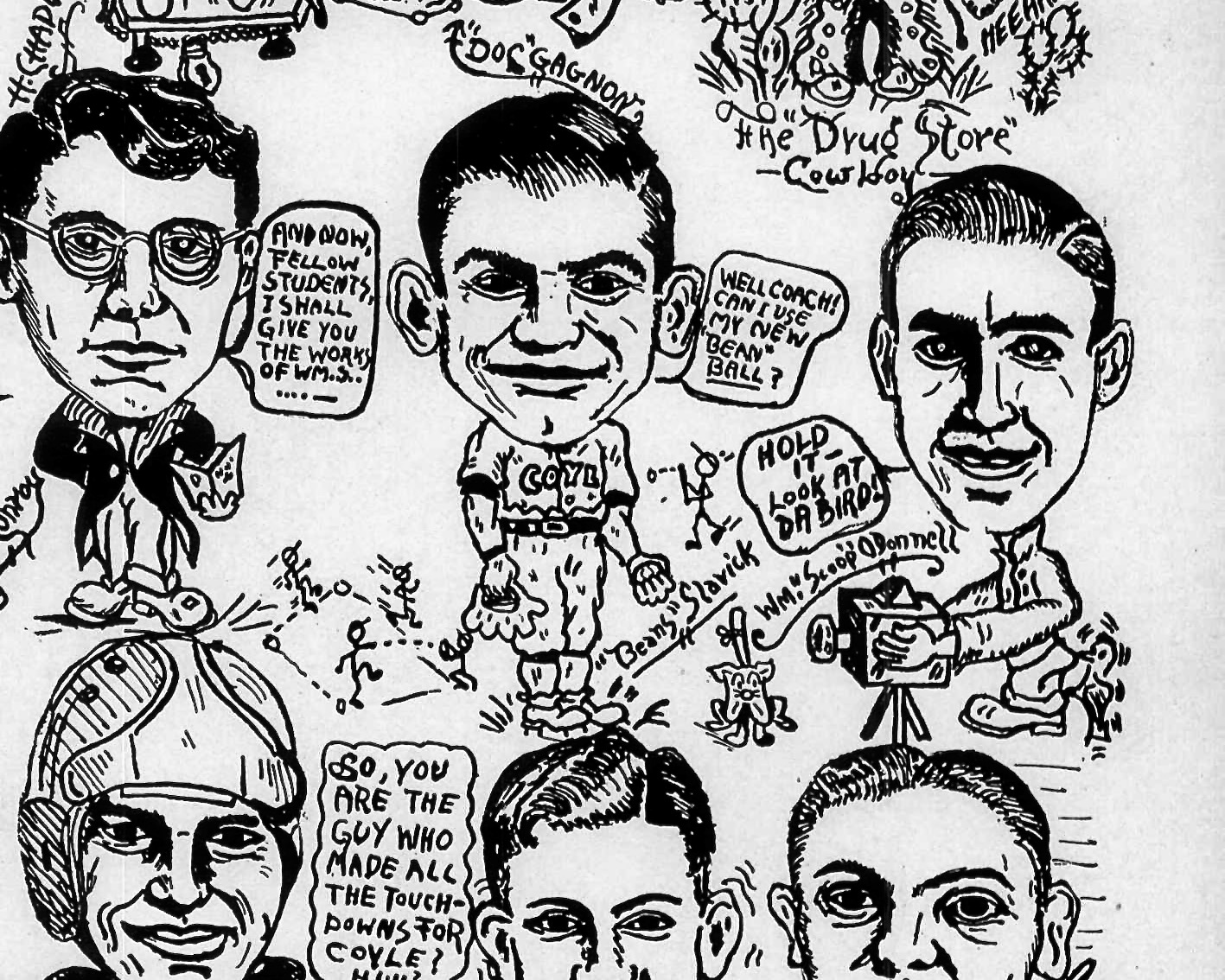
Taunton Gazette: “After graduating from Coyle in 1943, O’Donnell enlisted in the U.S. Army as a trainee in the Army Specialized Training Program at Brooklyn College”
The Army Specialized Training Program
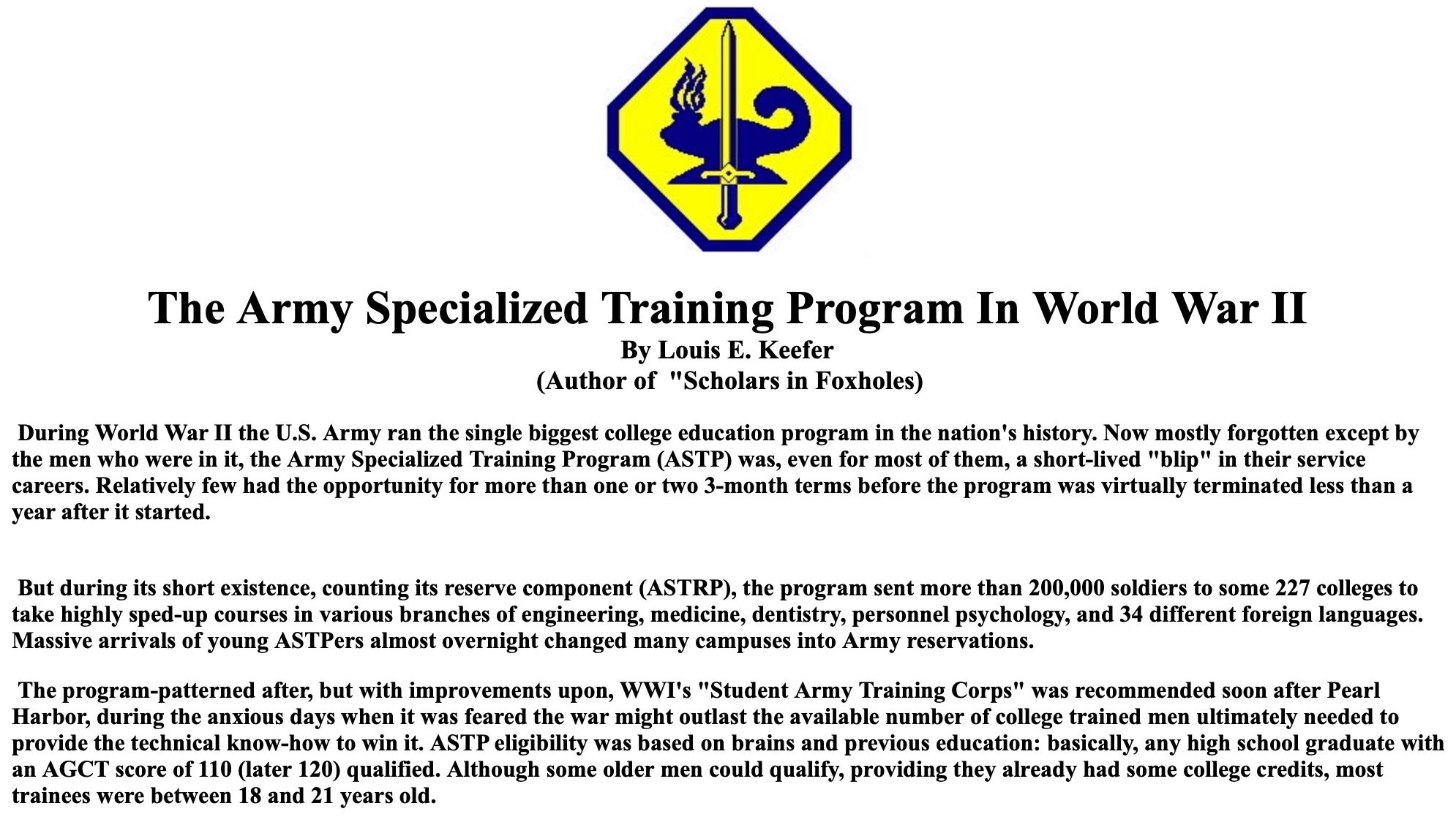
The Specialized Training Program sent 200,000 soldiers to 227 colleges for sped-up courses in engineering, medicine, dentistry, psychology, and foreign languages.
The War Department ended the program in 1944 for 110,000 trainees, who mostly went to infantry, airborne, and armored divisions.
According to Bill’s discharge records, he entered active service on 12 July 1943.
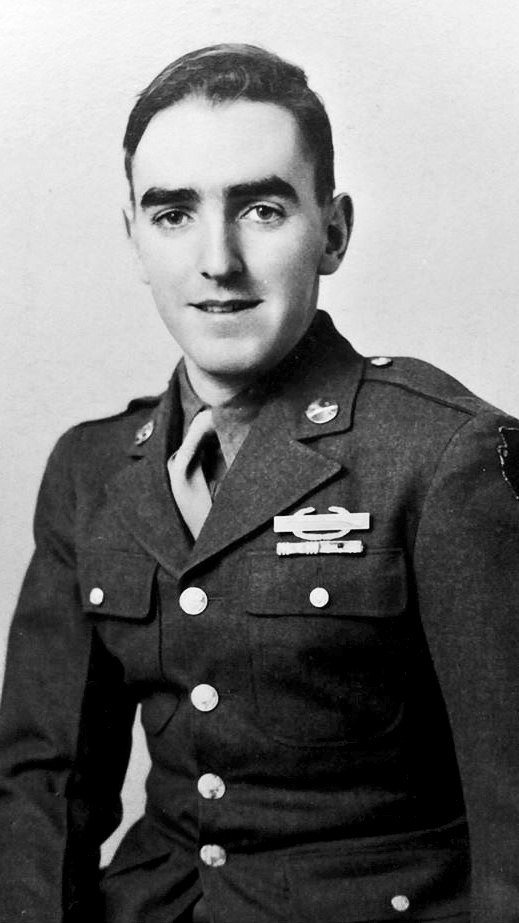
Bill joined the 75th Infantry Division at Camp Breckinridge in Kentucky, then the 28th Infantry Division, 110th Regiment on the Belgian-German border as a replacement.
US Army History: The Battle of Hürtgen Forest
Germany, on the border with Belgium. A series of battles over 3 months, from September to December 1944.
It was the longest single battle ever fought by the U.S. Army. Army casualties were 33,000 killed and wounded.
FIRST U.S. ARMY STUMBLES AT BATTLE OF SCHMIDT
Second Attack on Schmidt
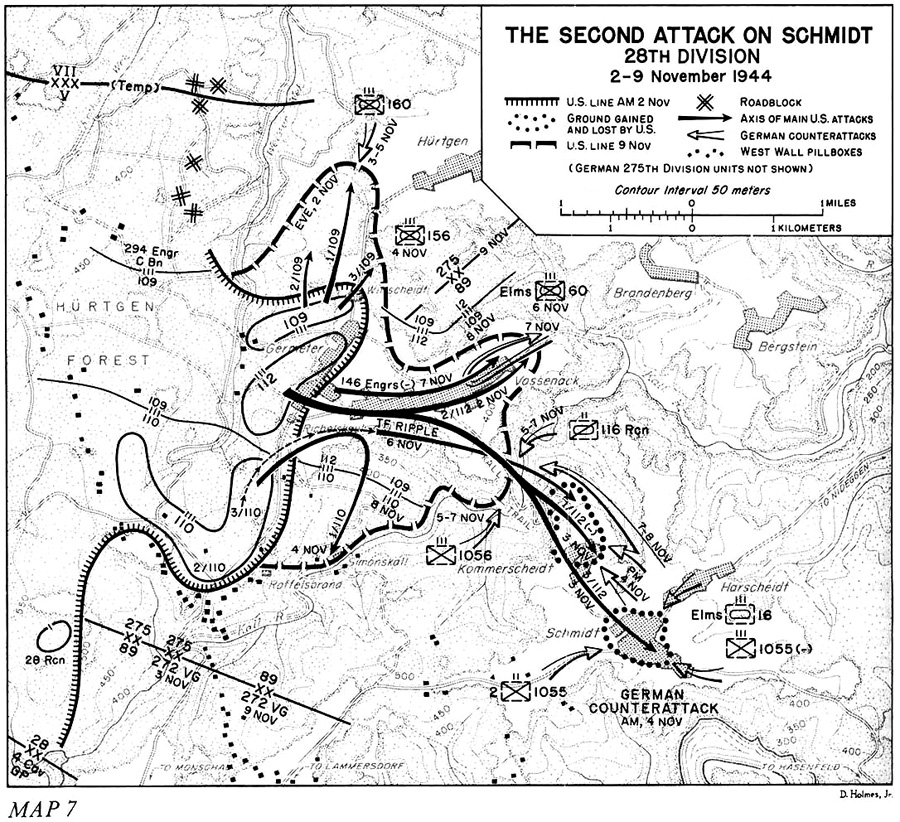
U.S. Army Stumble at Battle of Schimdt
Tree Bursts
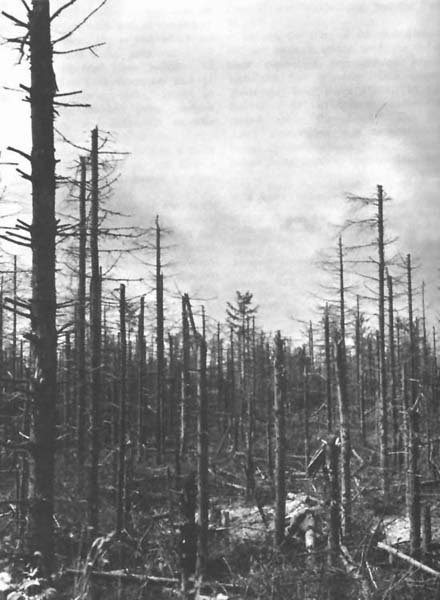
G.I.’s of Company E
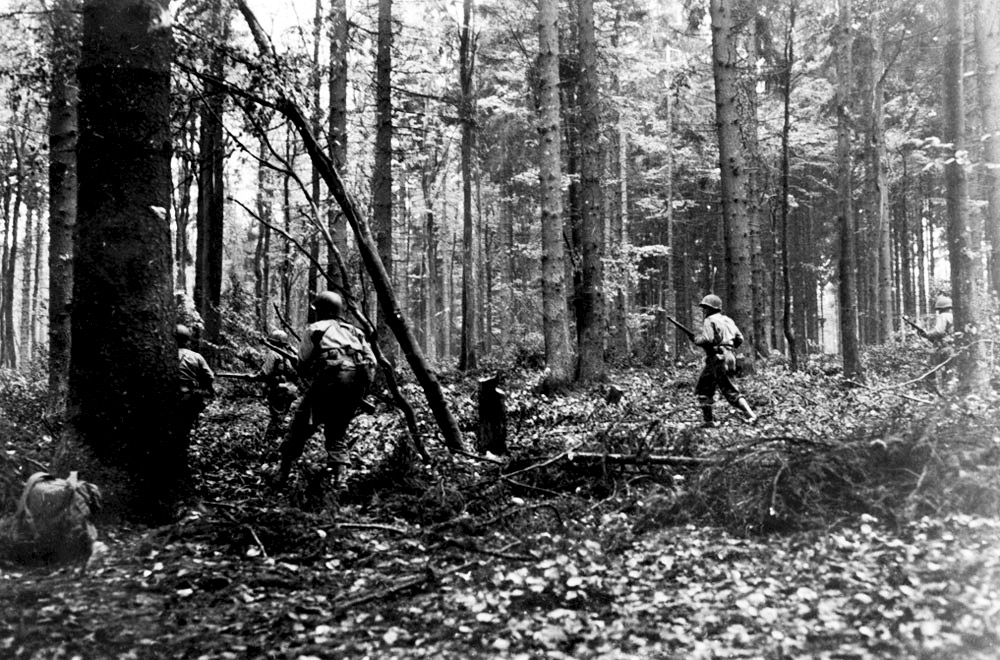
Bill was in Company G, 2nd Battalion, 110th Regiment during this time.
Sea of Mud
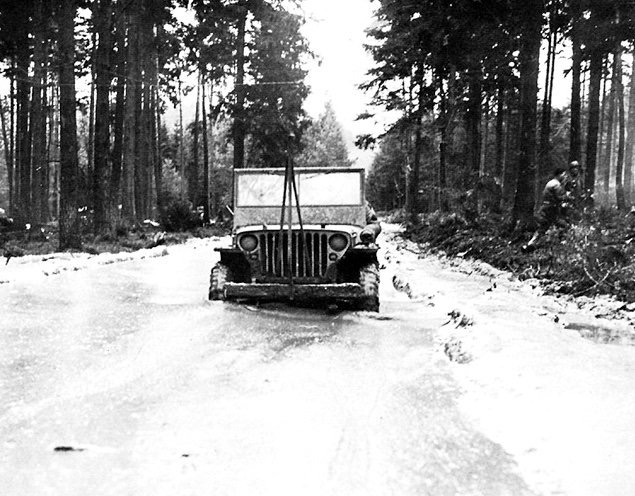
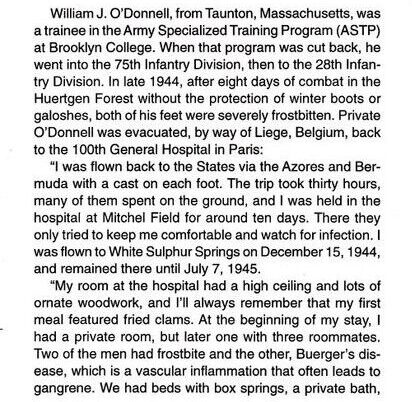
Galoshes and Frostbite
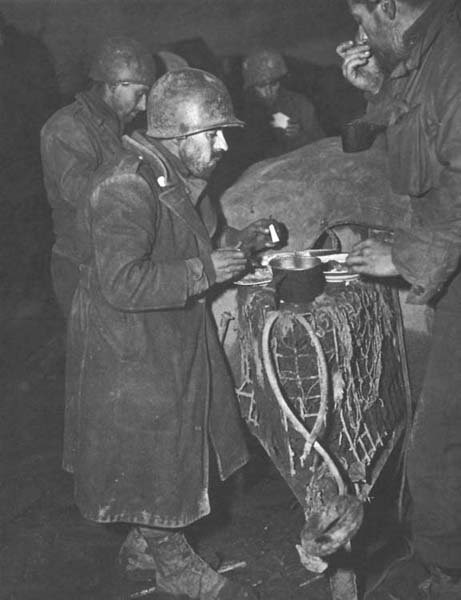
According to the Army history, “Front-line troops fought through a large part of the winter inadequately clothed. . . The lack of adequate footwear led to a rise in trench foot in the second week of November. Trench foot eventually caused more than 46,000 men to be hospitalized and accounted for 9% of all the casualties suffered in Europe.”
“The 28th Division, for example, jumped off on 2 November [1944] in the cold and mud of the Huertgen Forest with only ten to fifteen men per infantry company [about 10-15%] equipped with overshoes.”
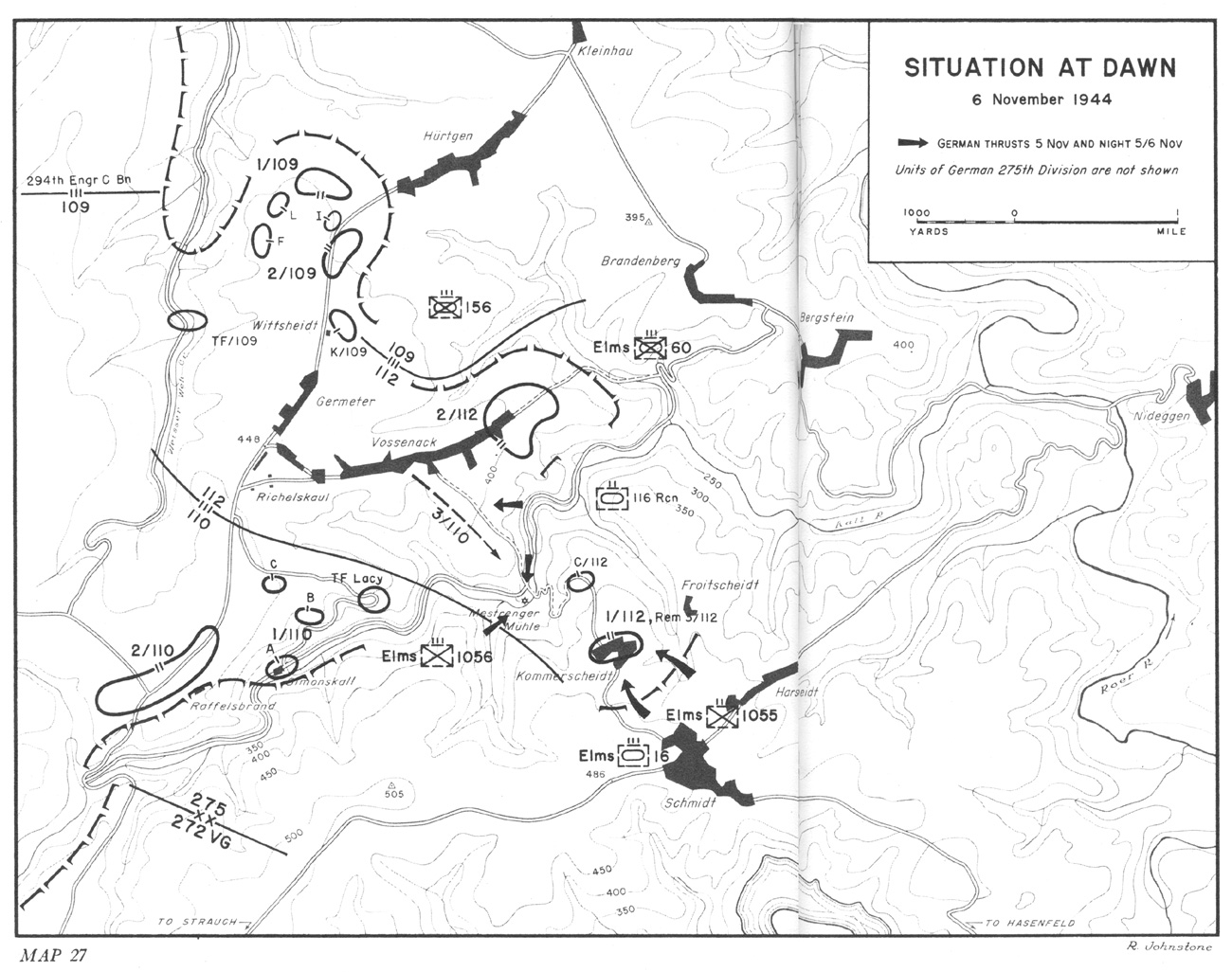
After 8 days on the front lines and four days in combat, without winter boots or overshoes, both of Bill’s feet were frostbitten.
Anne’s records show the date of his injury as 5 Nov 1944, and he was declared unfit for duty on 15 Nov 1944.
He was evacuated to hospitals in Paris, New York, and finally West Virginia.
Battleground
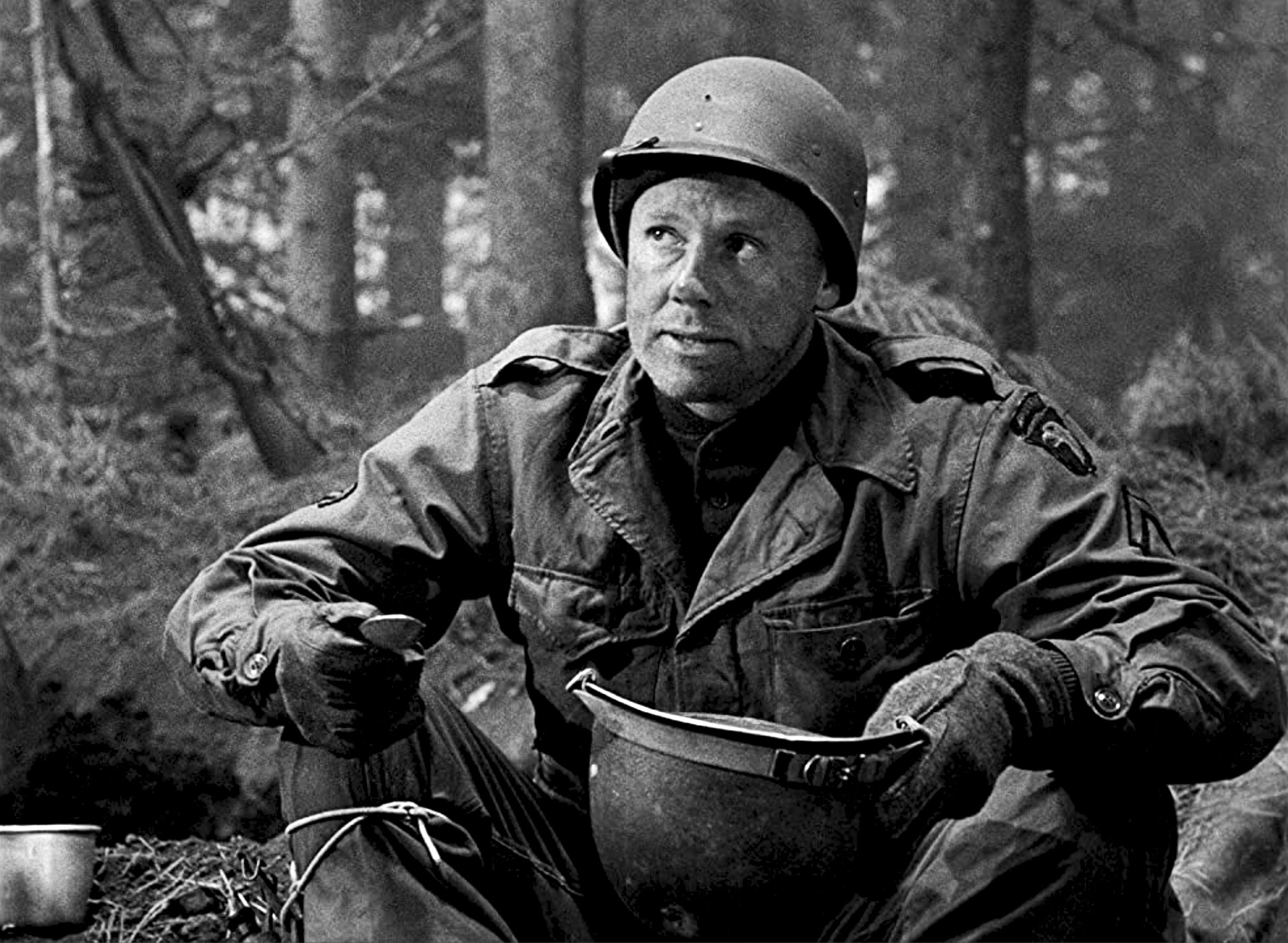
Bill said he identified with a character in the 1949 movie Battleground who tried to visit another replacement in a different company, only to discover he’s been killed and no one even knew his name.
Traveling on foot to his regiment, Bill’s group of replacements was divided at the letter “O” and sent in different directions. Bill said the other group was never heard from again.
Shangri-La
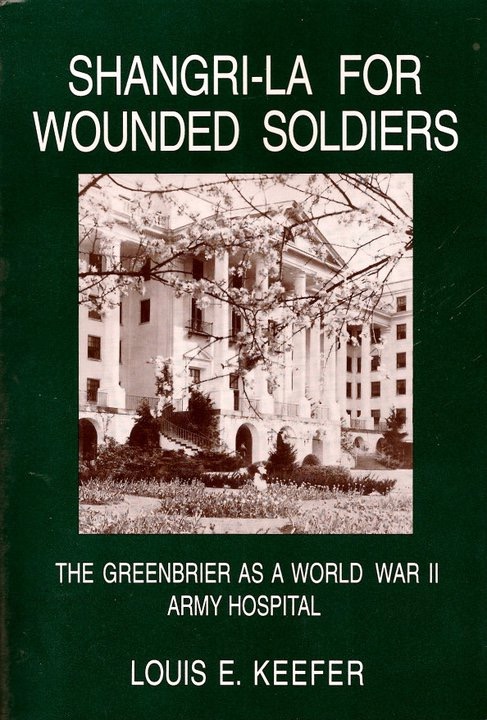
The Greenbrier was a luxury resort in White Sulphur Springs, West Virginia. The Army turned the 650-room hotel into a 2,000-bed hospital.
Bill and His Roommates
Bill had three operations, and eventually lost all the toes on his right foot and two on his left. The healing was slow because bone fragments kept working their way out.
Bill was quoted as saying, “Frostbite is a terrible thing. My case wasn’t nearly as bad as one of my roommates, who had to have both feet amputated at the ankles. In spite of all this, we kidded around so much the doctors and nurses called ours the ‘happy room’. We were cheerful and relieved to have survived combat. It was pretty soft living.”
Battle of the Bulge
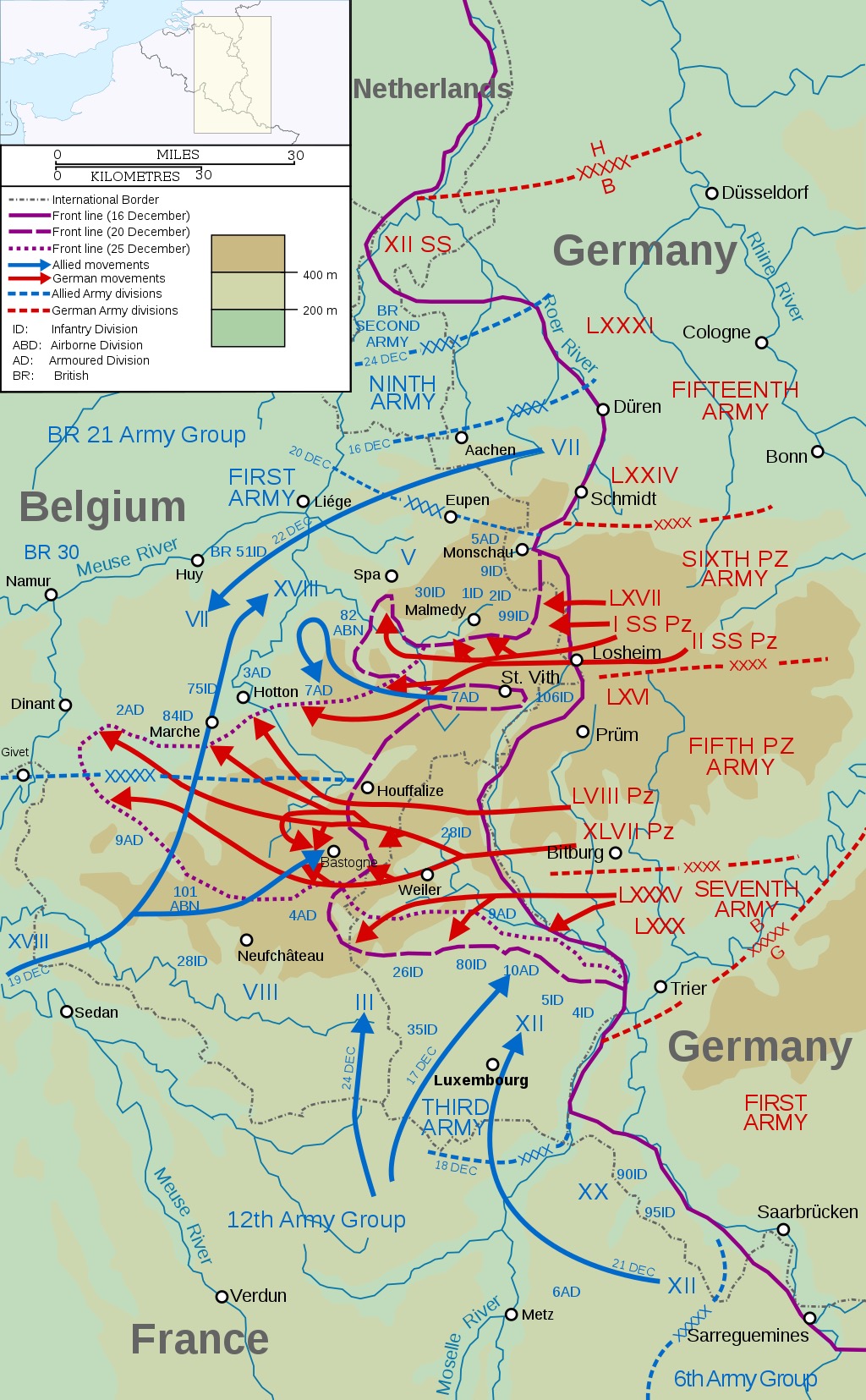
After Bill was evacuated the 28th Division was sent to the rear in the Ardennes east of Bastogne for “rest and recuperation.” In a month the Division found itself at the center of the Battle of the Bulge.
Wisconsin Veterans Museum
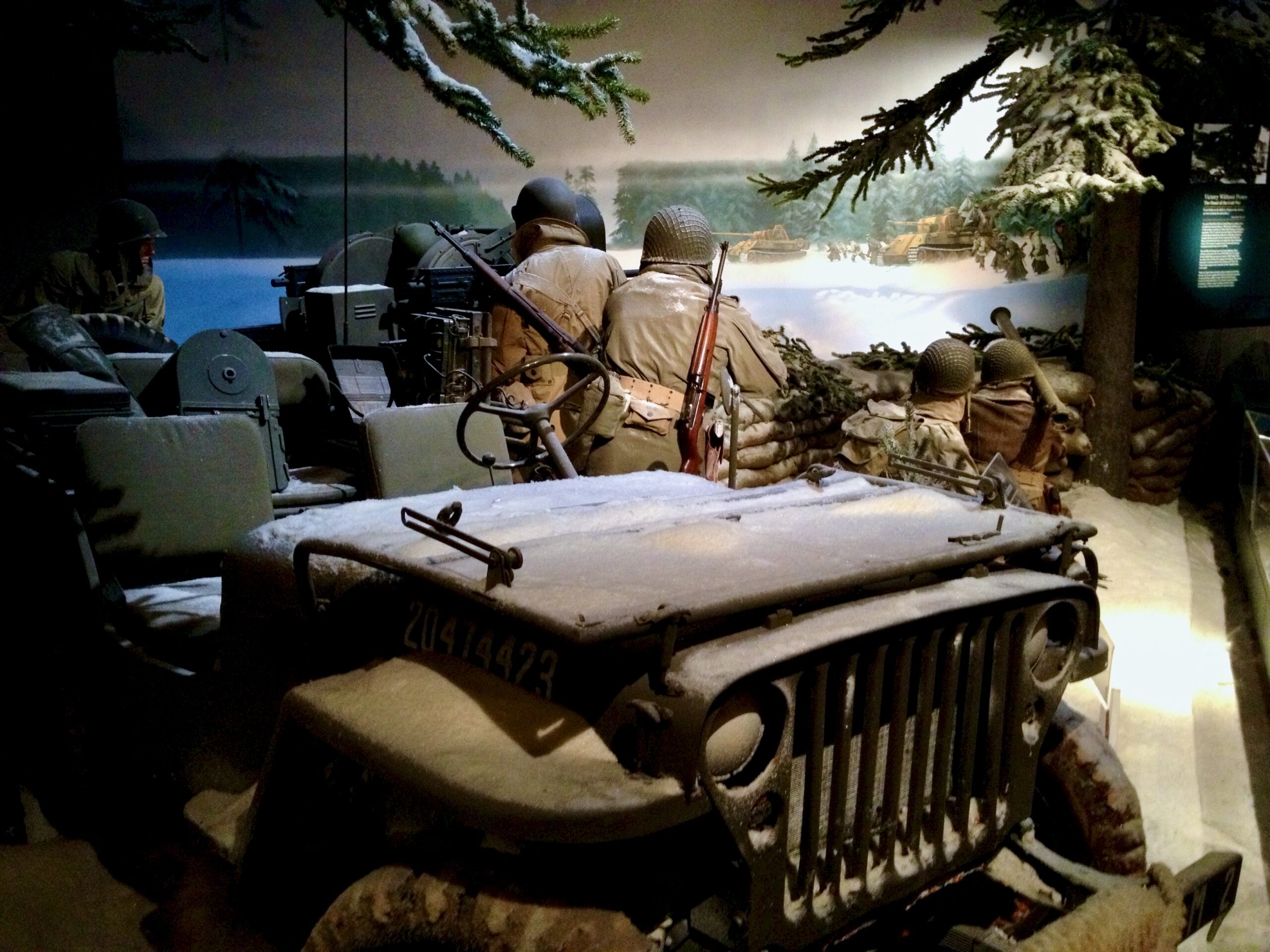
Examining the Battle of the Bulge exhibit in the Wisconsin Veterans Museum, Bill said, “That jeep’s from my Regiment, 28th Division, 110th Regiment.“
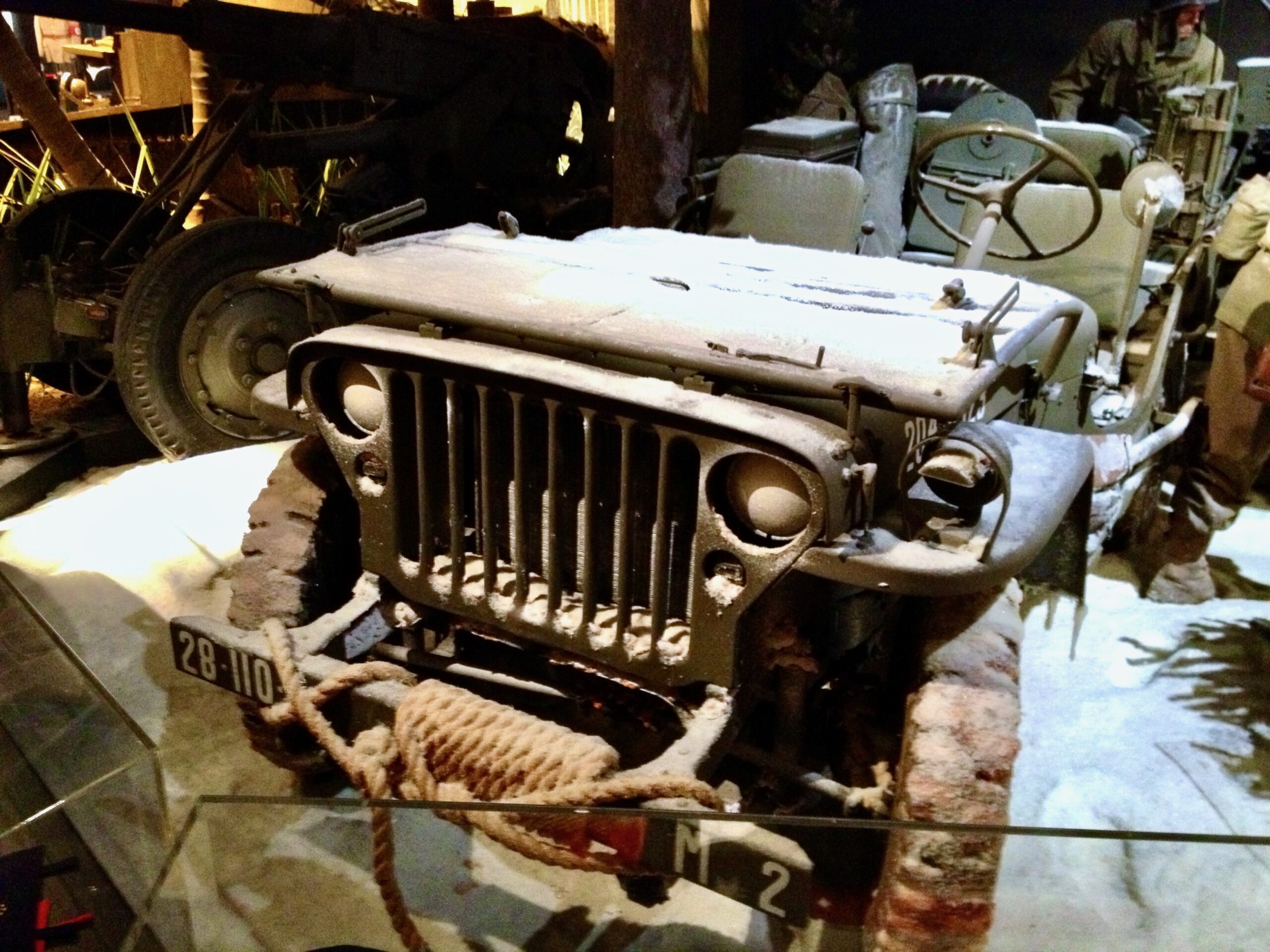
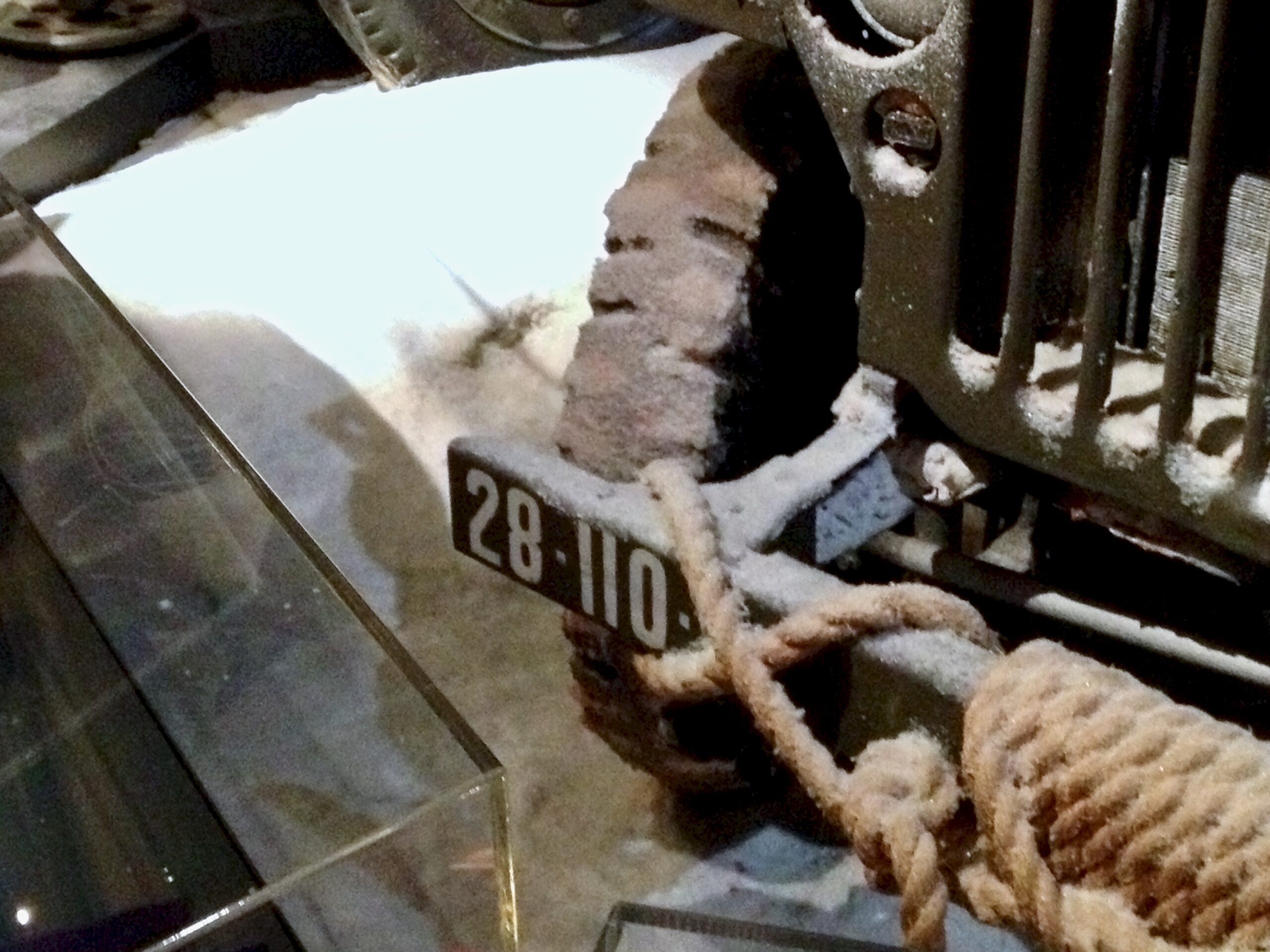
He told me he might not have survived the War if he hadn’t been evacuated before that battle.
Oklahoma A&M
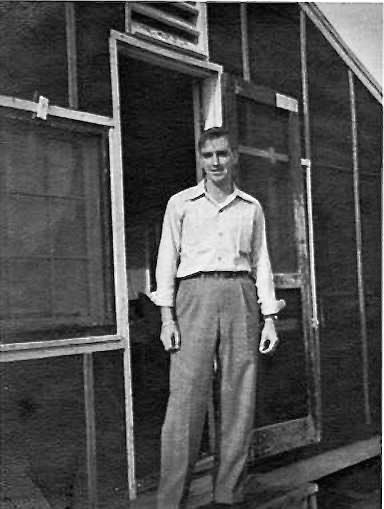
Bill next attended Oklahoma A&M (now Oklahoma State University) and graduated in 1950 with a journalism degree.
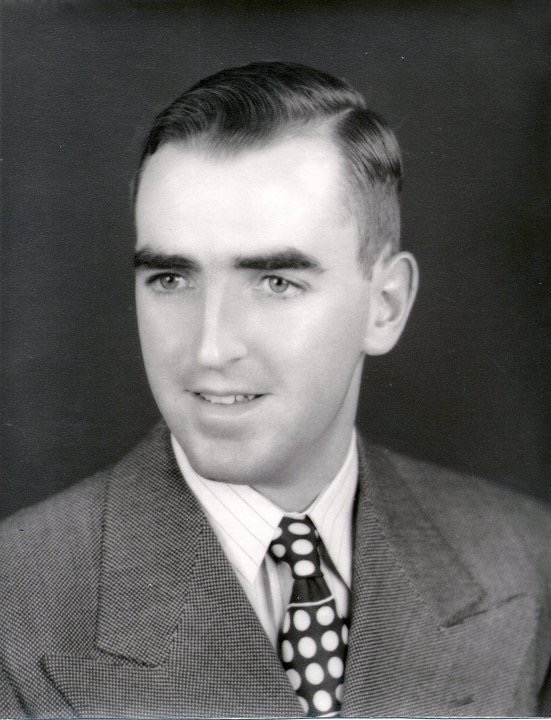
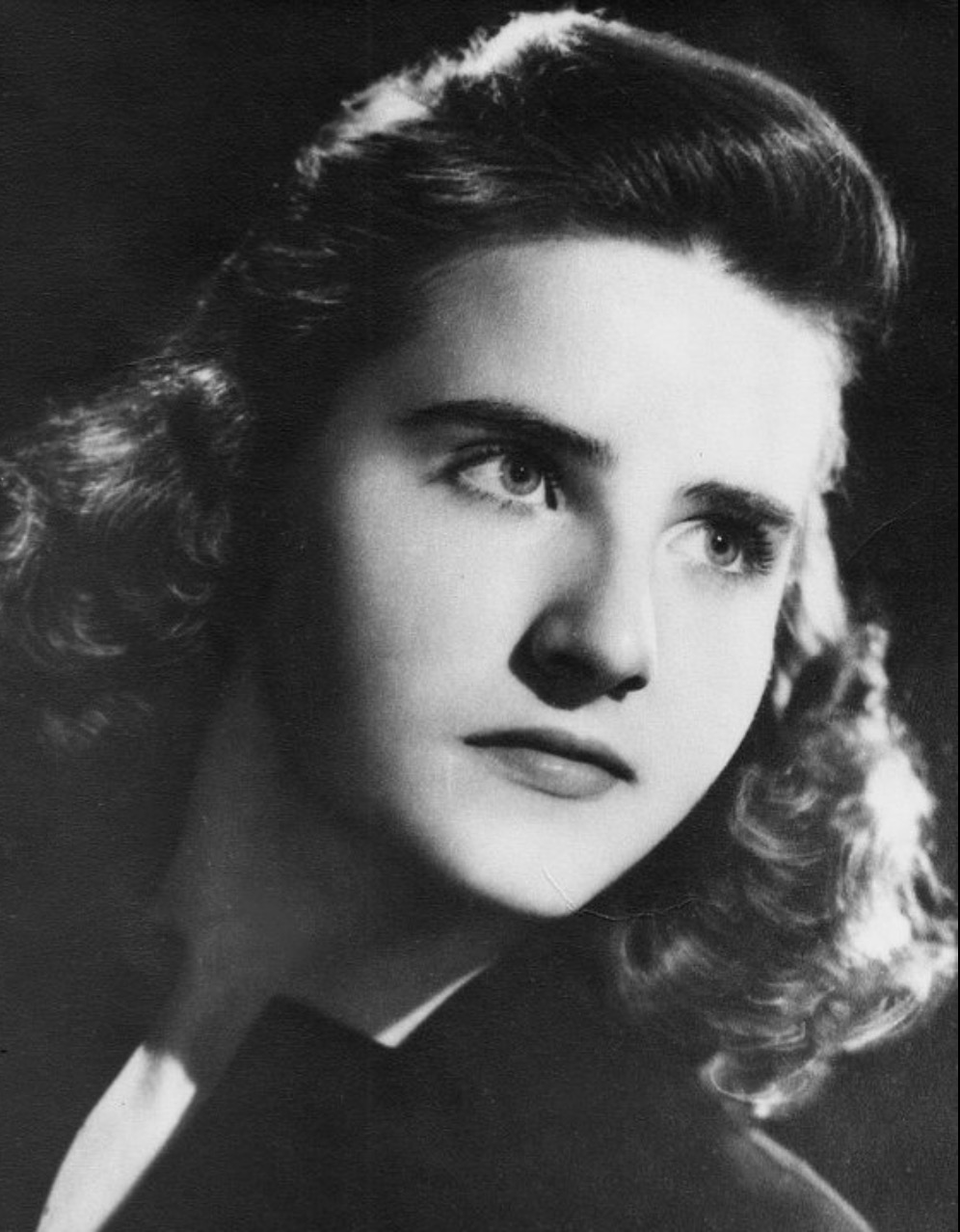
He was then employed by the Syracuse University public information office (where he met Linn), the Spartanburg, SC Herald newspaper (where he continued to meet Linn), until their marriage in 1951 and Mike’s birth in 1952.
Bill then worked for the Boeing Corporation in Wichita, Kansas (where Kathy was born), and American Aviation Publications in Washington, D.C. (where everyone else was born. Actually everyone else was born in nearby Arlington, Virginia).
NASA
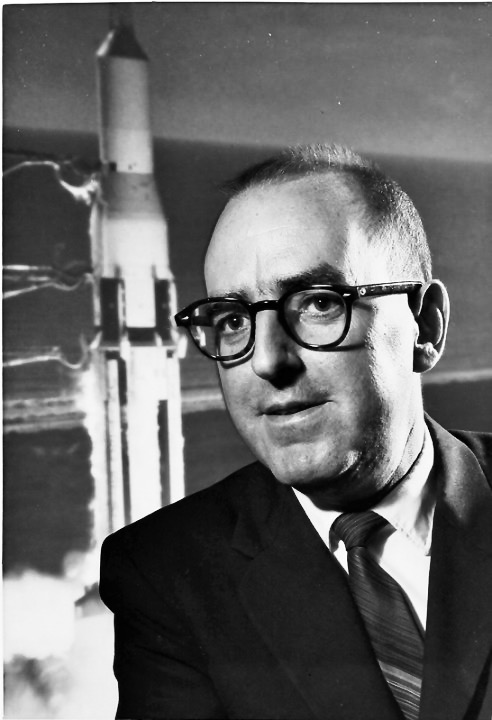
Bill joined NASA in the early 1960s and his career there spanned the beginnings of manned spacecraft through the early years of the Space Shuttle program. Bill led NASA’s Public Affairs office in Washington, D.C. for more than 20 years.
Apollo 13
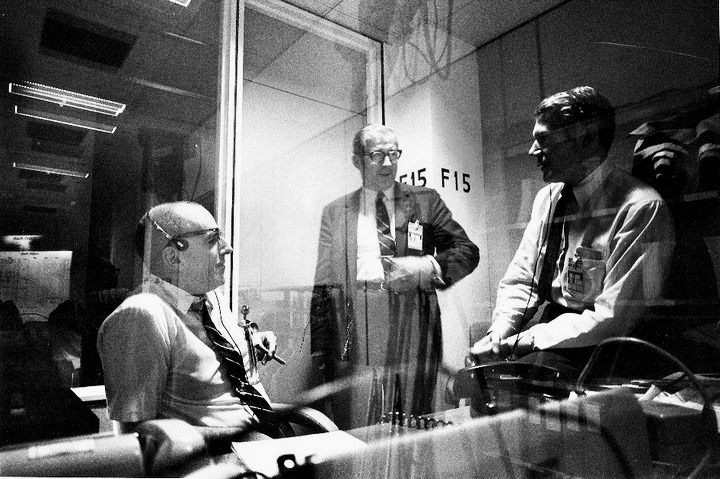
This photo was taken on 15 April 1970, after the Apollo 13 landing mission was aborted and the crew were attempting to bring their crippled spacecraft home.
Dromoland Castle, Co. Clare, Ireland
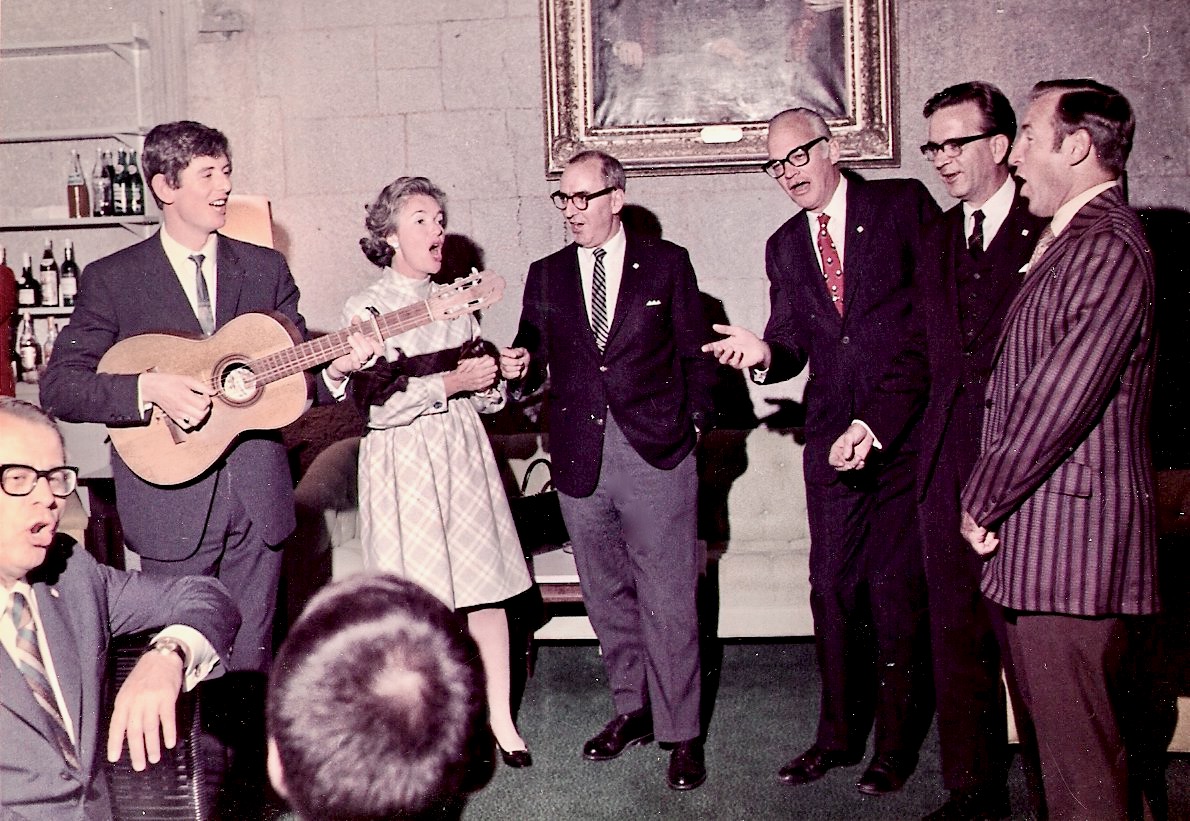
After Apollo 13’s successful return, Bill accompanied astronauts Lovell, Haise and Swigert on a European goodwill tour, and later toured the Soviet Union with the crew of Apollo-Soyuz (1975).
In 1973 Bill was awarded the Exceptional Service Medal, NASA’s second highest honor, for outstanding contributions to the Apollo program of Moon landings.
Skylab Re-entry Award

In 1979 he received a Skylab Re-entry Team Award and a second Exceptional Service Medal for his management of public affairs during re-entry of the Skylab space station.
Although some argued for secrecy to minimize public concern, Bill pushed to release details of the decaying orbital paths, and NASA mapped out and released potential debris fields across the Indian Ocean and Australia.
“Because the orbiter almost completely burned up on re-entry, the majority of its remnants consist of very small shards. . . ” falling on the southwestern Australia outback.
Retirement
Sunset Beach Reunion

Bill retired in 1984 to enjoy showing off his feet at the Sunset Beach, NC family reunion.
Halloween in Wisconsin
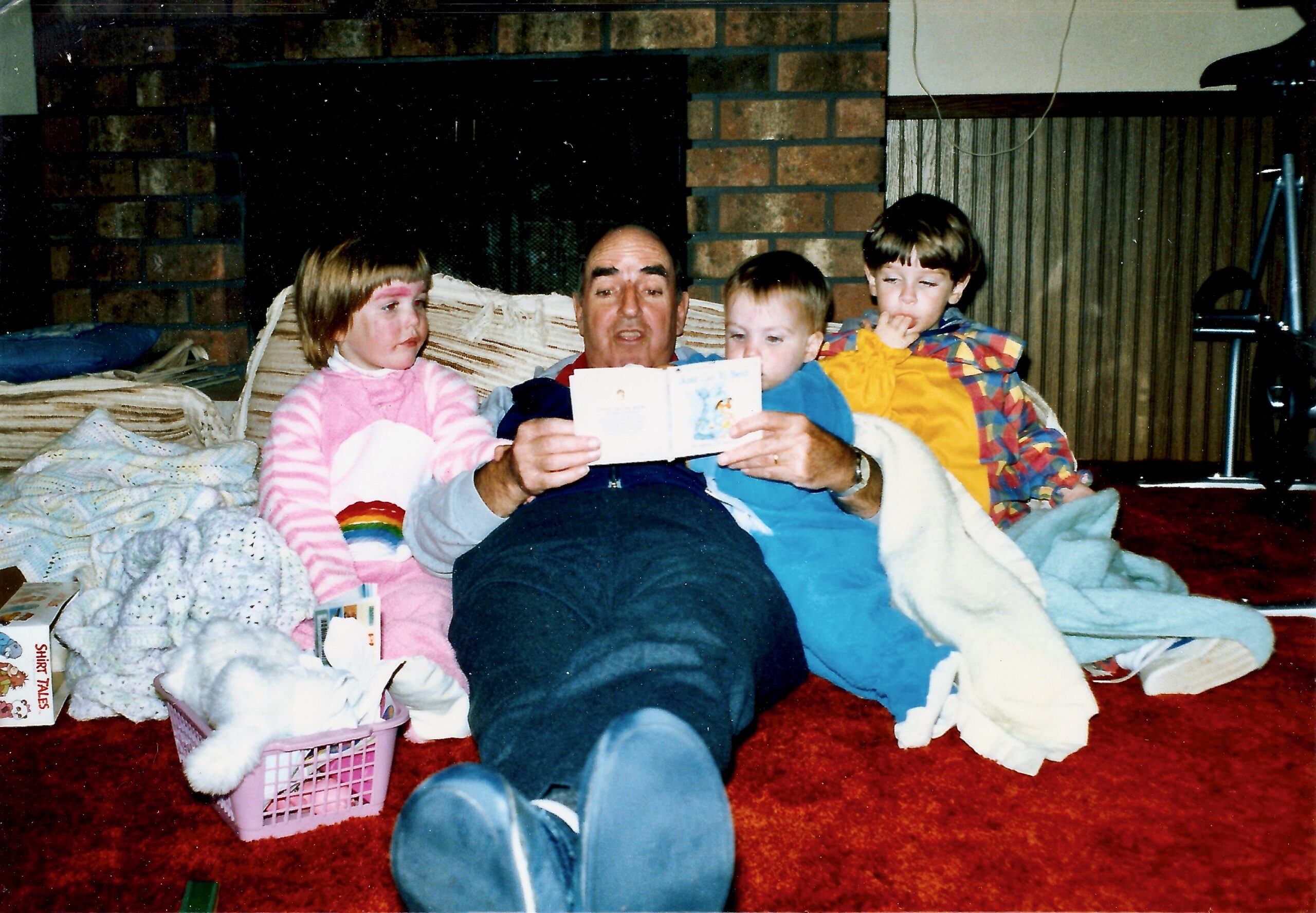
Invisible Hair Dryer™
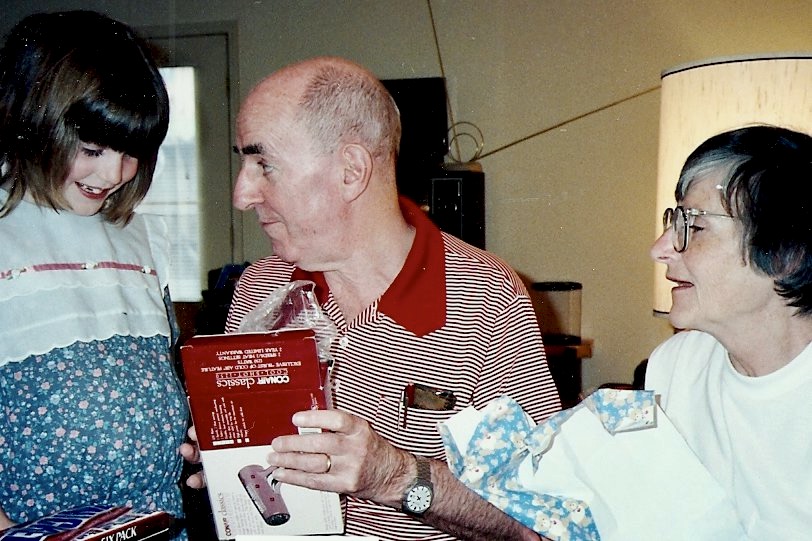
Arlington Reunion

Leave a Reply
You must be logged in to post a comment.